Looking for a neighborhood that feels unmistakably Key West from the moment you arrive? Old Town is where historic streets, tropical architecture, walkable daily life, and waterfront access all come together. If you are thinking about buying or selling here, this guide will help you understand what makes Old Town different, what kinds of properties you will find, and what practical details matter most before you make a move. Let’s dive in.
Why Old Town Stands Out
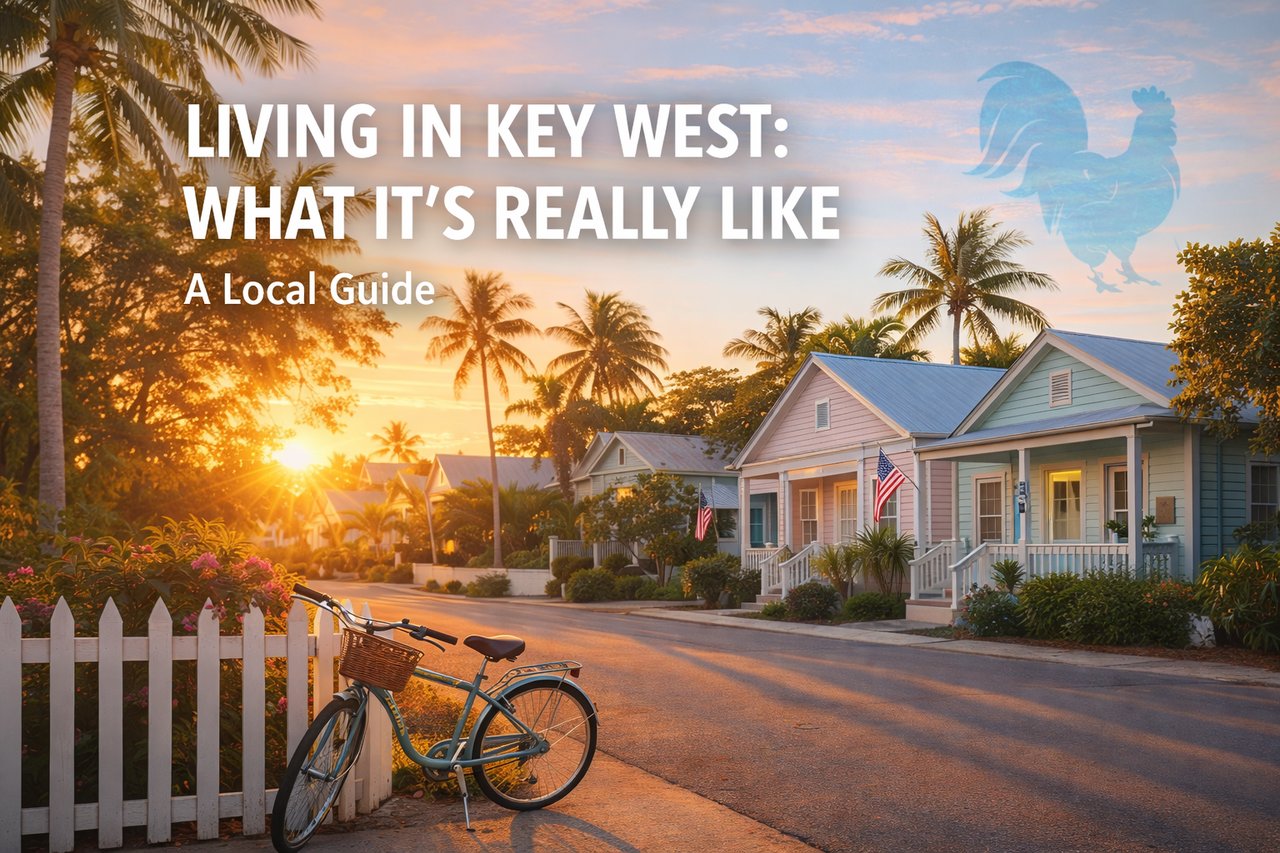
Old Town is the historic core of Key West, and much of the city’s most recognizable character lives here. The area is known for preserved streetscapes, a traditional street grid, and smaller interior lanes that lead to homes tucked behind the busier main corridors.
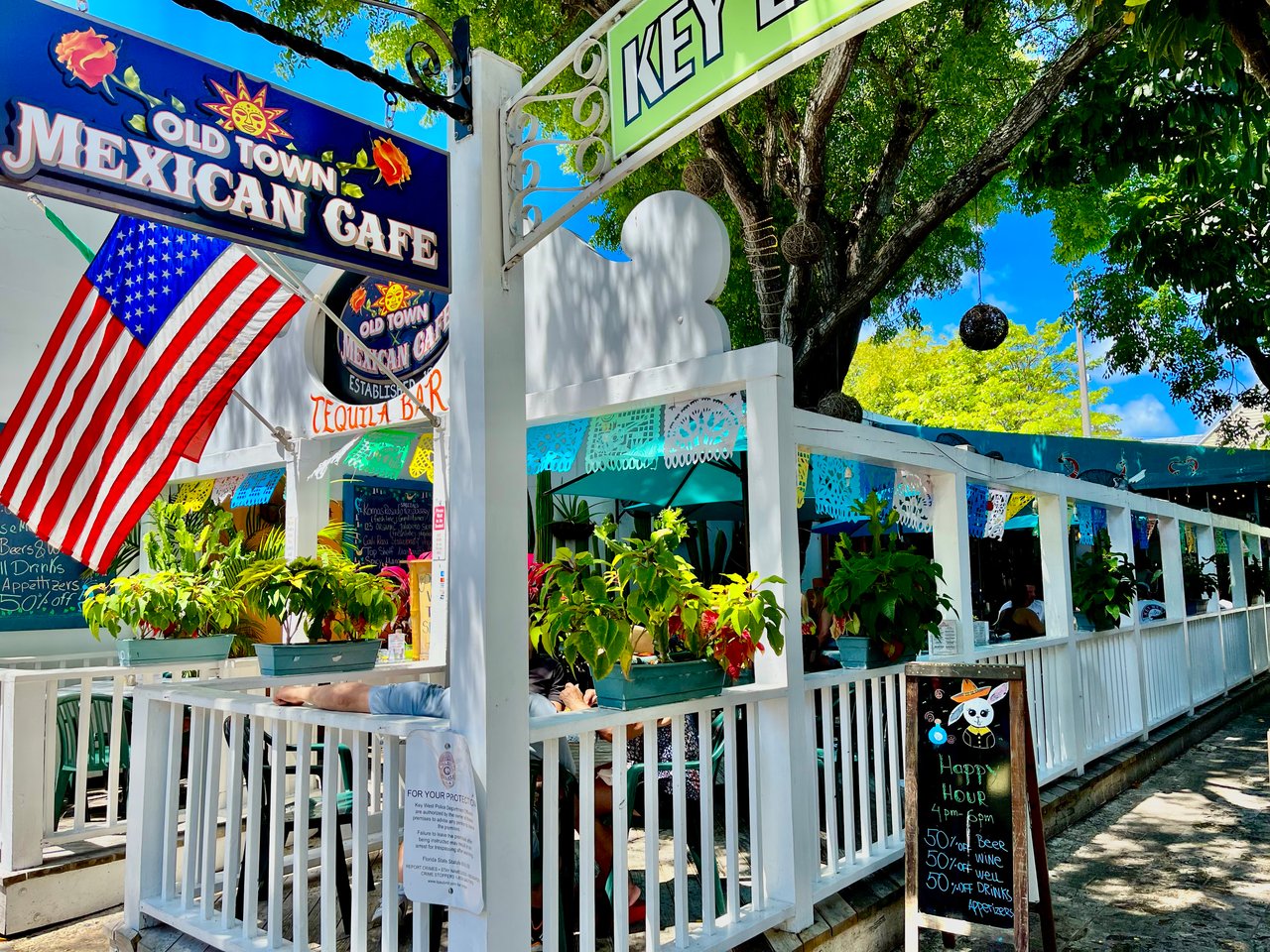
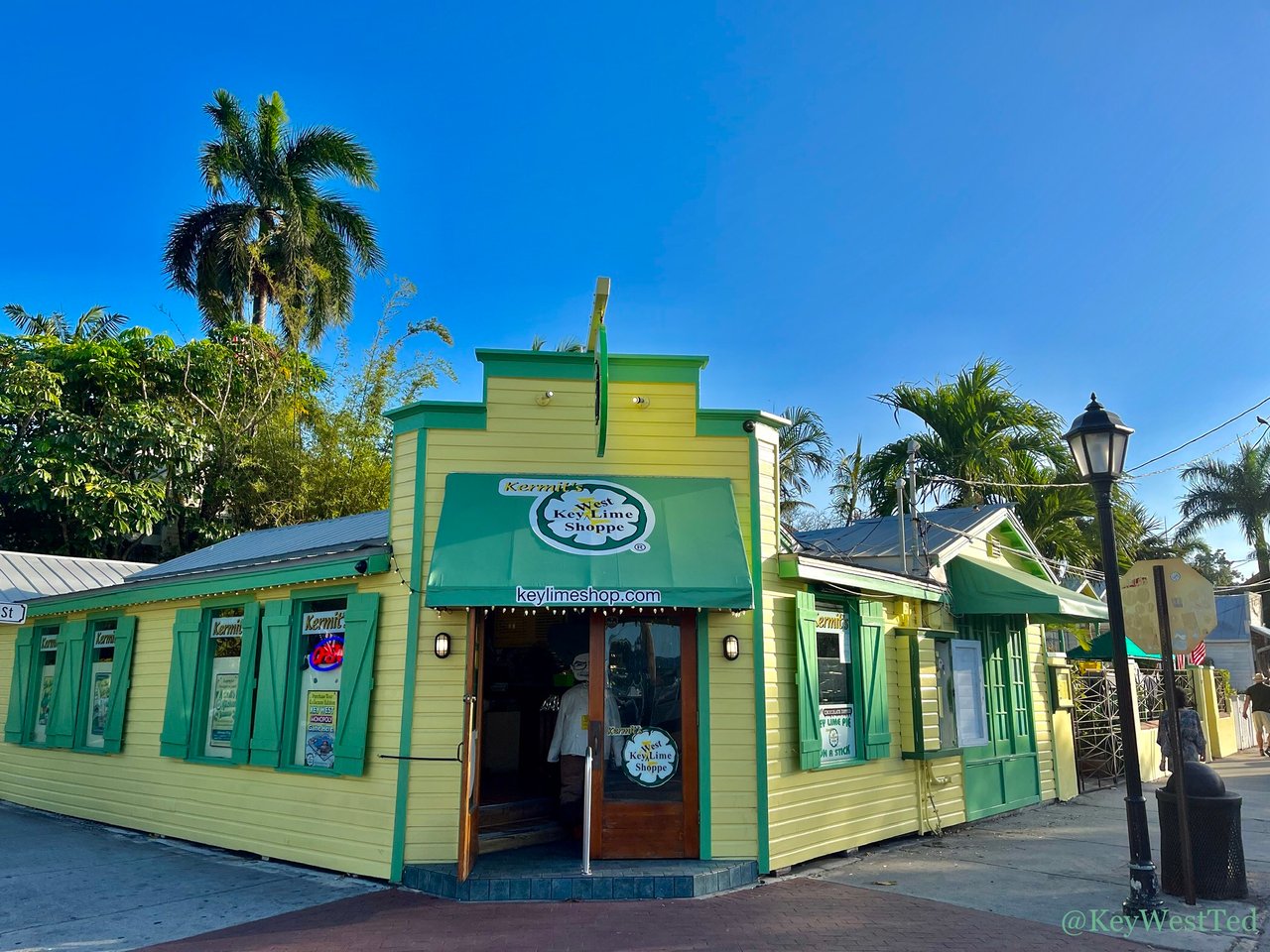
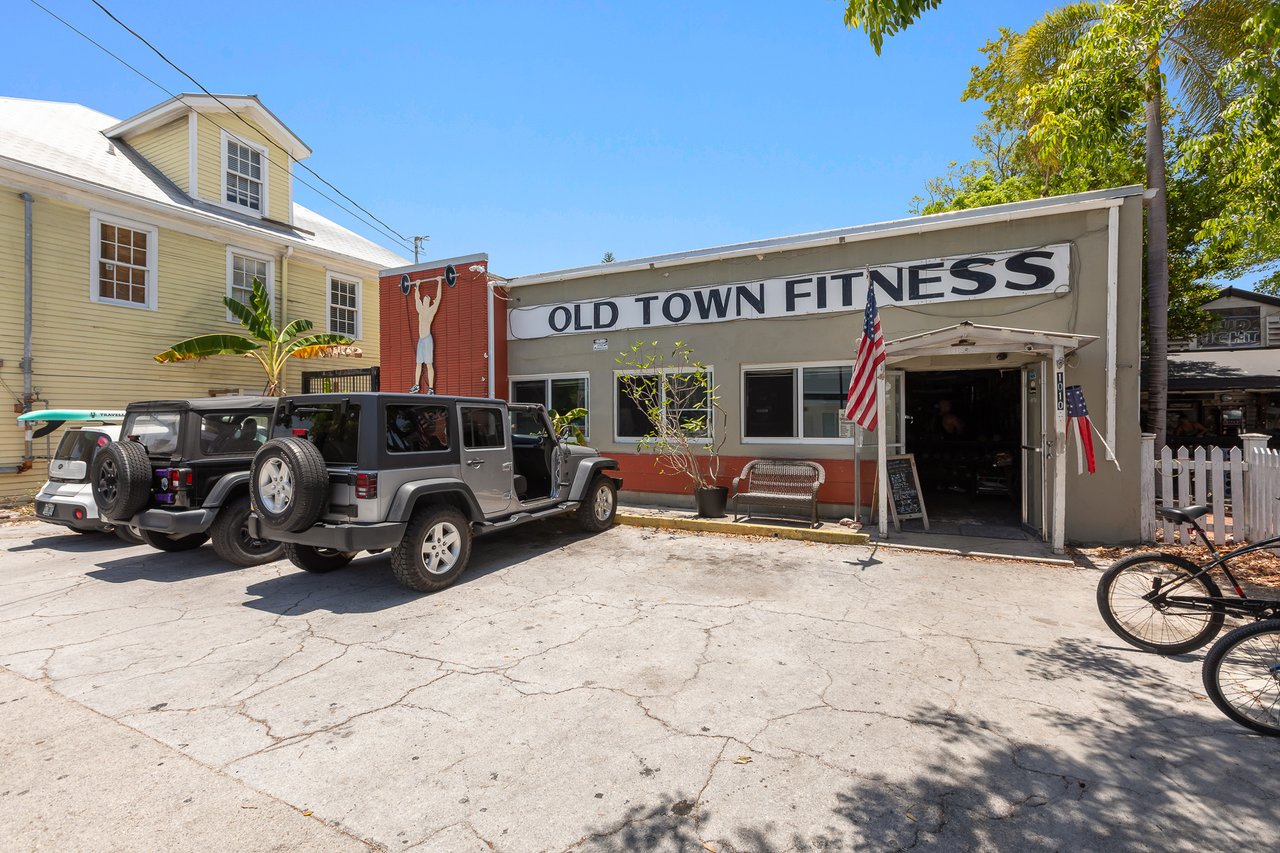
That mix is important because Old Town is not one single experience. Some streets feel more residential and quiet, while corridors like Duval, Whitehead, Truman, and White have a busier, more mixed-use feel. If you are choosing a home here, block-by-block context matters.
Old Town’s identity is deeply tied to preservation. The Old Town Historic District was listed on the National Register of Historic Places in 1971 and expanded in 1983, and the city notes that Key West has one of the largest collections of historic wooden structures in the country.
Old Town Home Styles
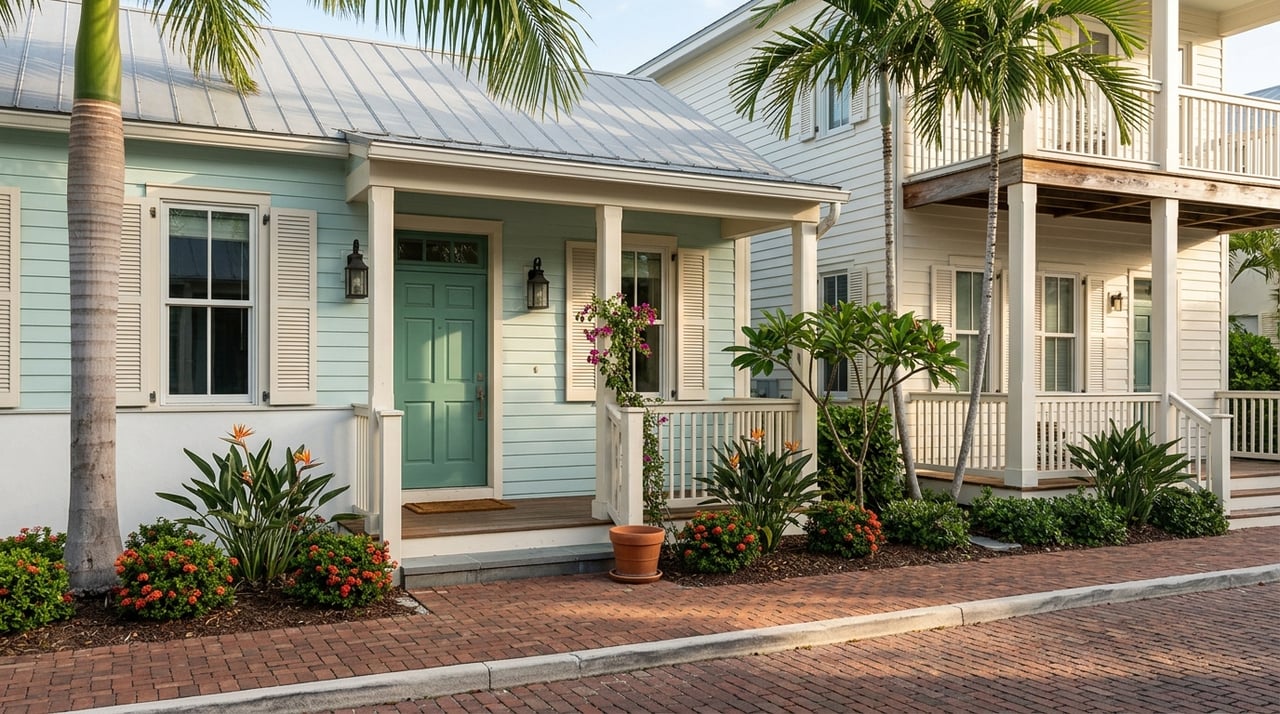
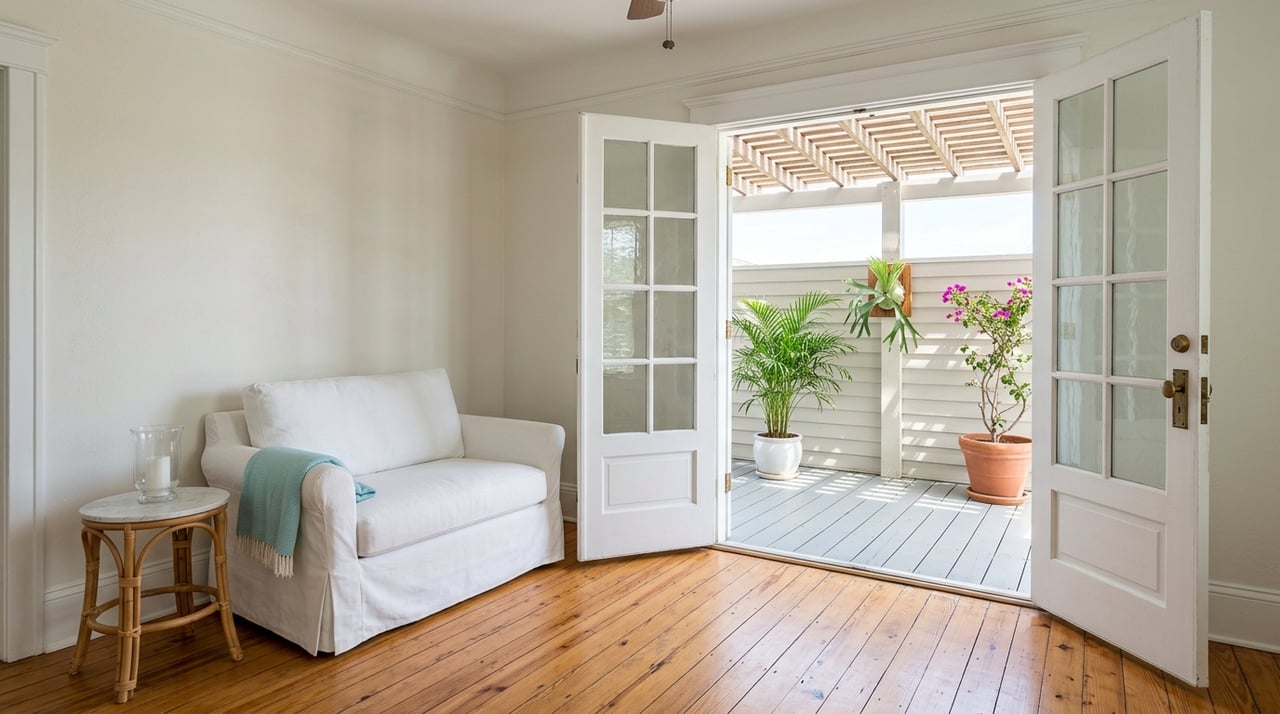
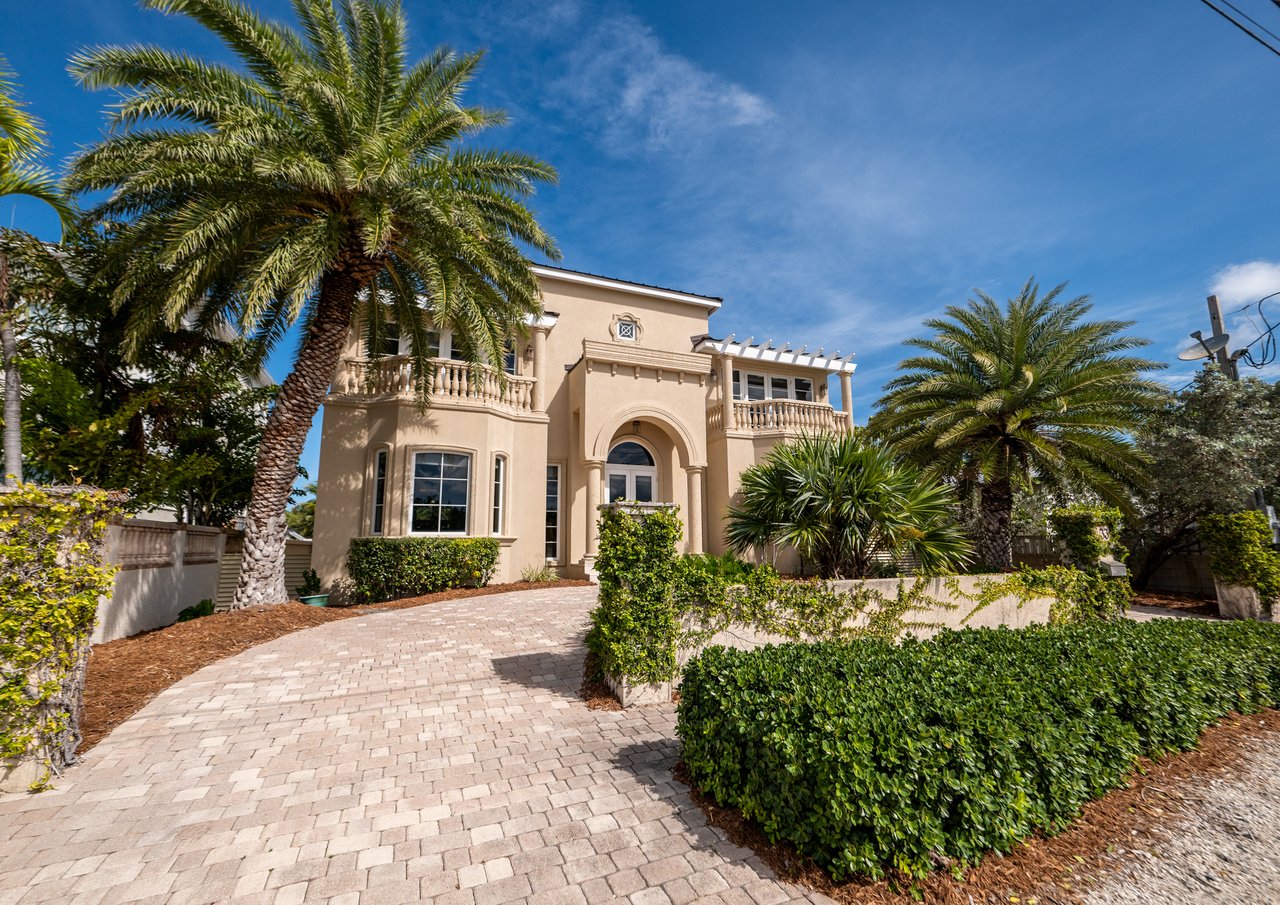
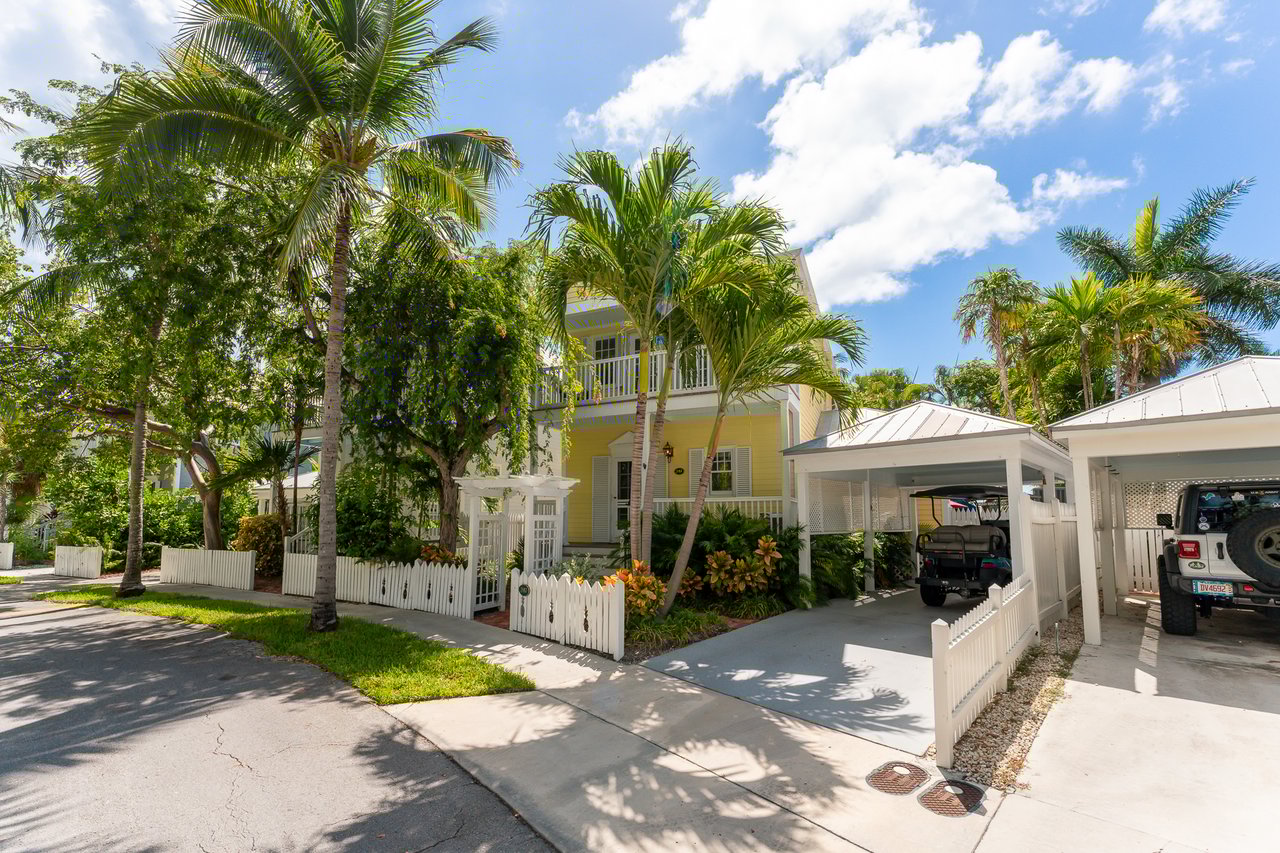
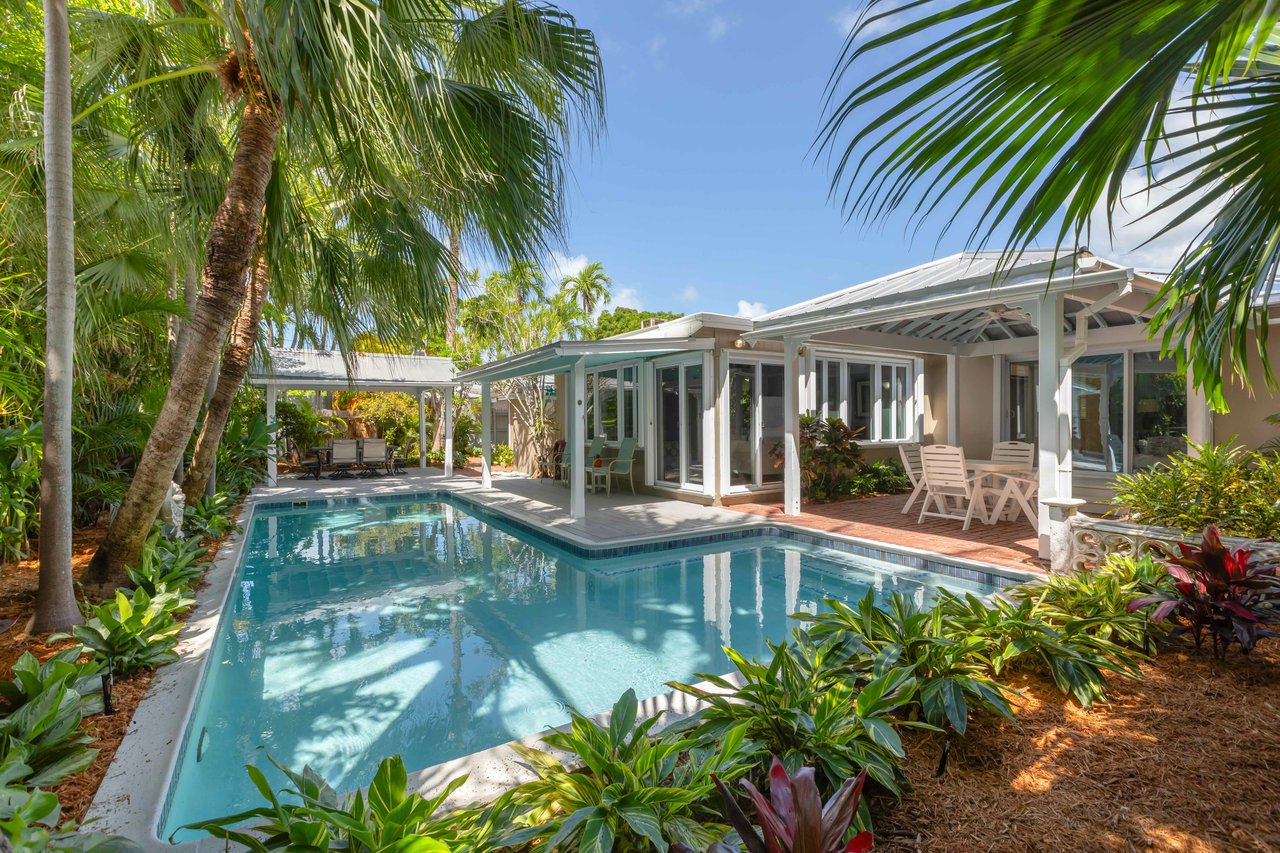
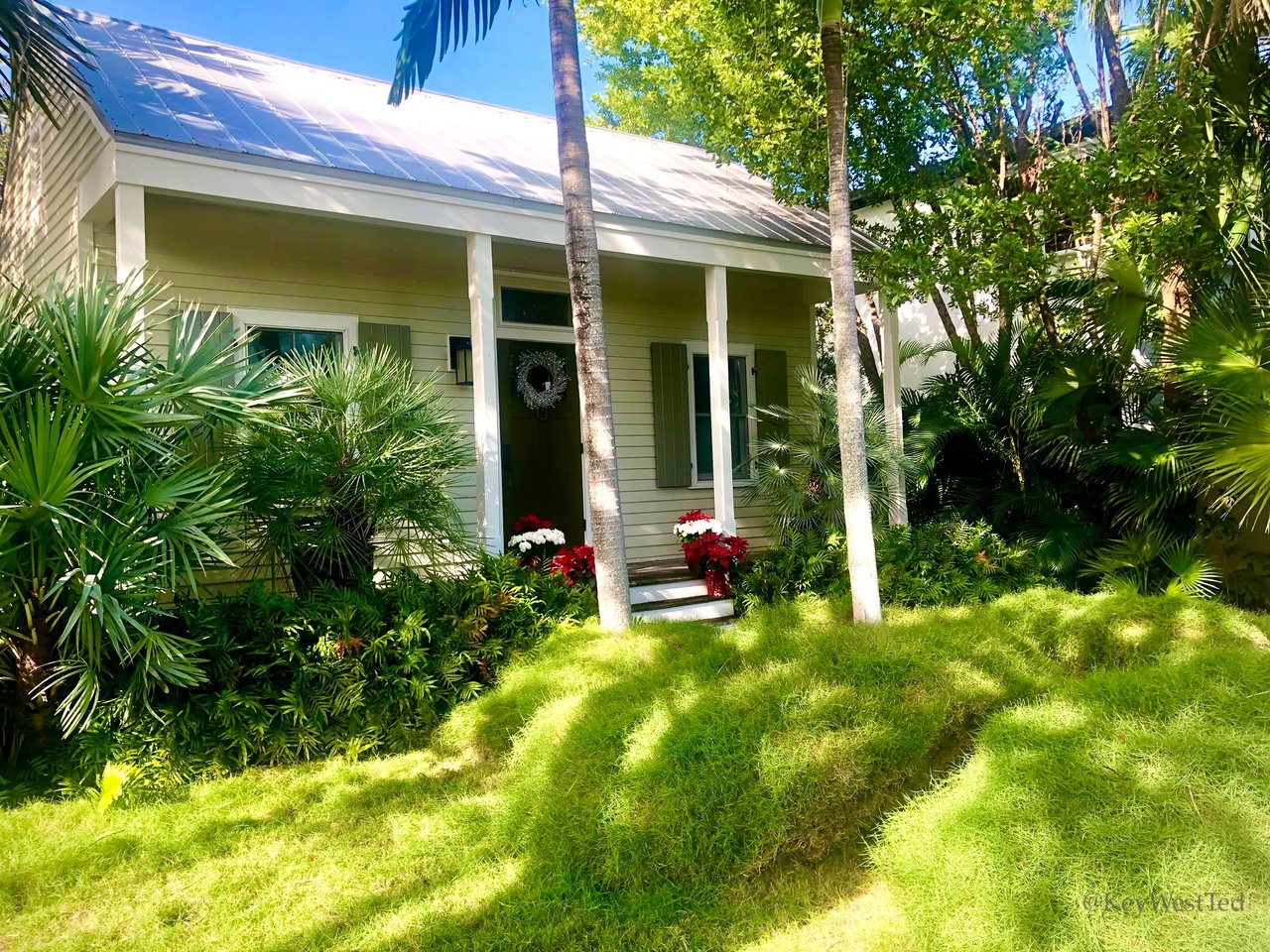
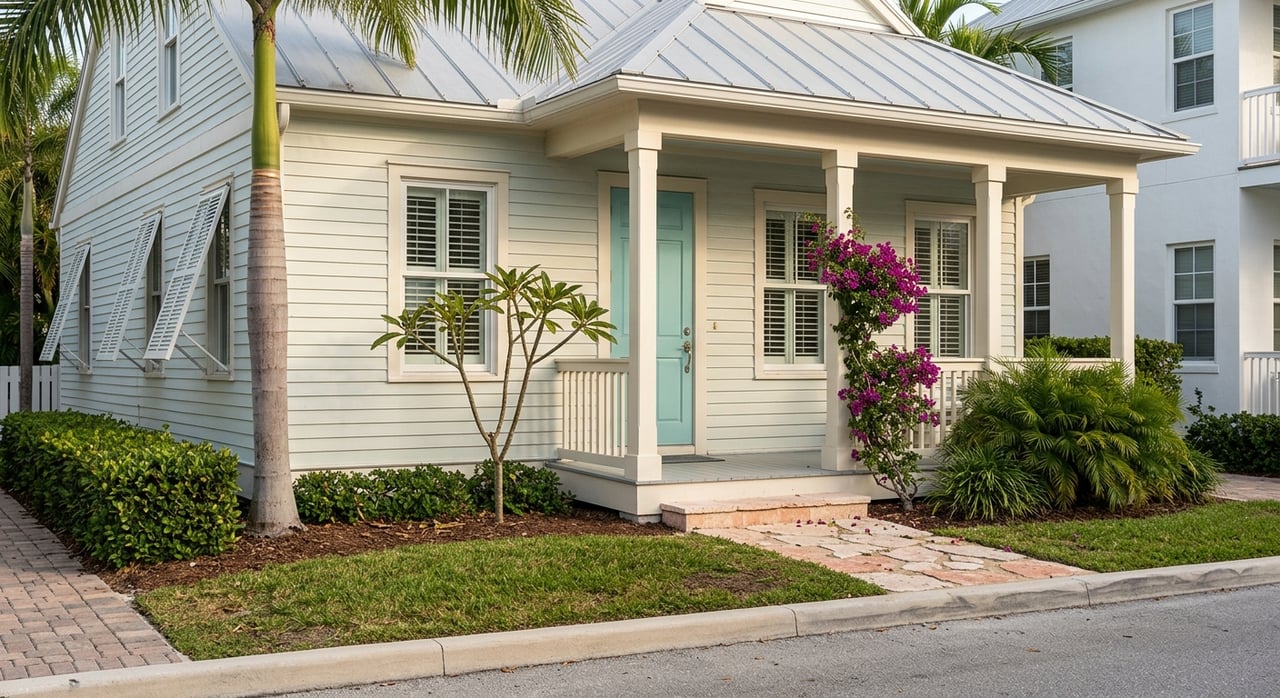
One of the biggest draws in Old Town is the architecture. The signature local house type is the Conch or Bahama house, typically built with wood framing, wide porches, shutters, high ceilings, and steep roofs designed for a tropical climate.
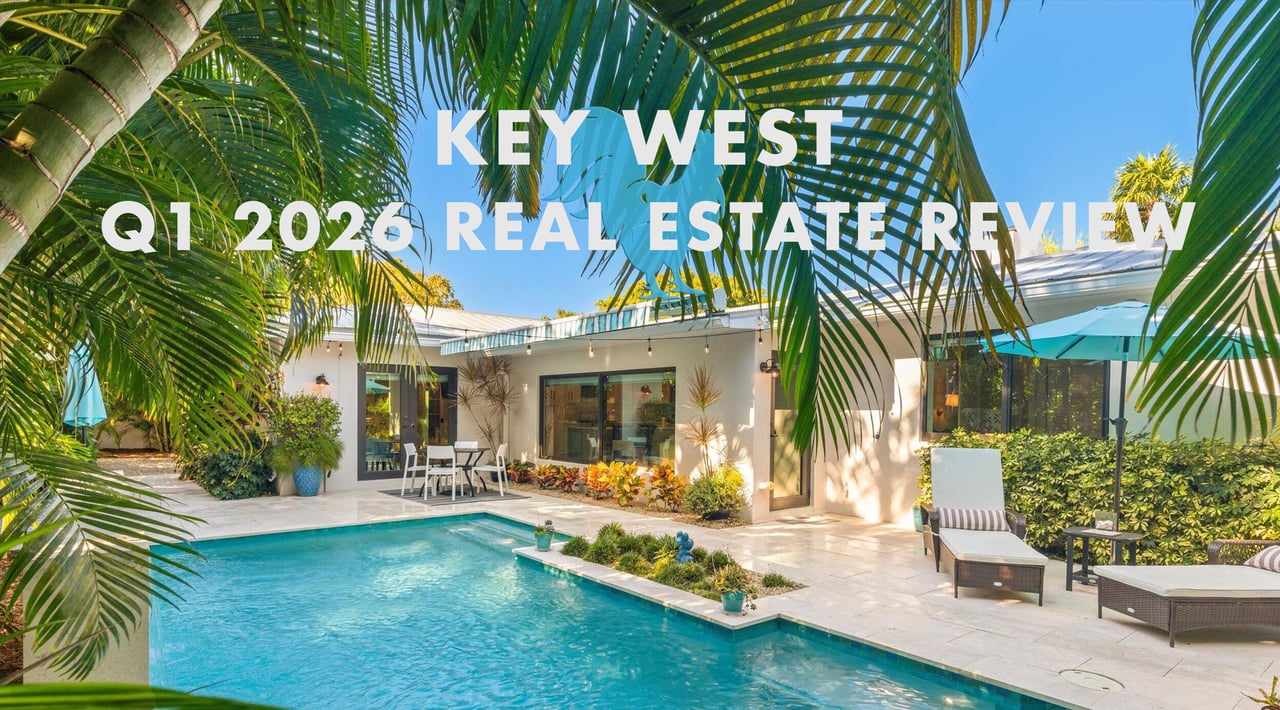
That said, Old Town is not a neighborhood of lookalike homes. City guidance emphasizes that its character comes from diversity, not a single standard style. You will see compact cottages, single-family homes, condos, apartments, and mixed-use buildings across the area.
Some buyers are surprised by how varied the housing stock can be from one street to the next. A narrow lane may feature smaller residential homes, while a primary corridor may include larger houses or properties with a mixed-use or hospitality history.
What Buyers Can Expect
In practical terms, Old Town often appeals to buyers who want charm, individuality, and a strong sense of place. It is less about cookie-cutter inventory and more about finding the right fit based on your lifestyle, design preferences, and comfort with historic-home ownership.
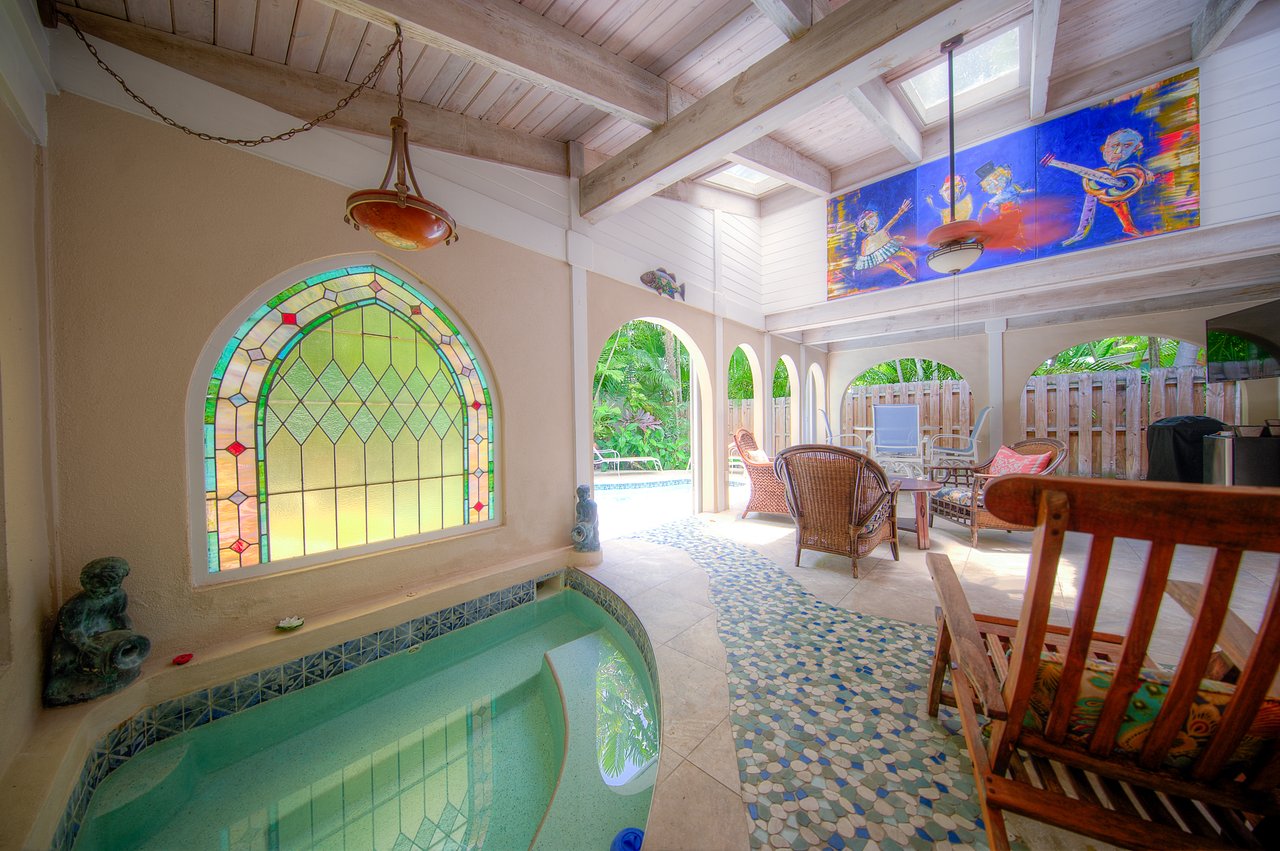
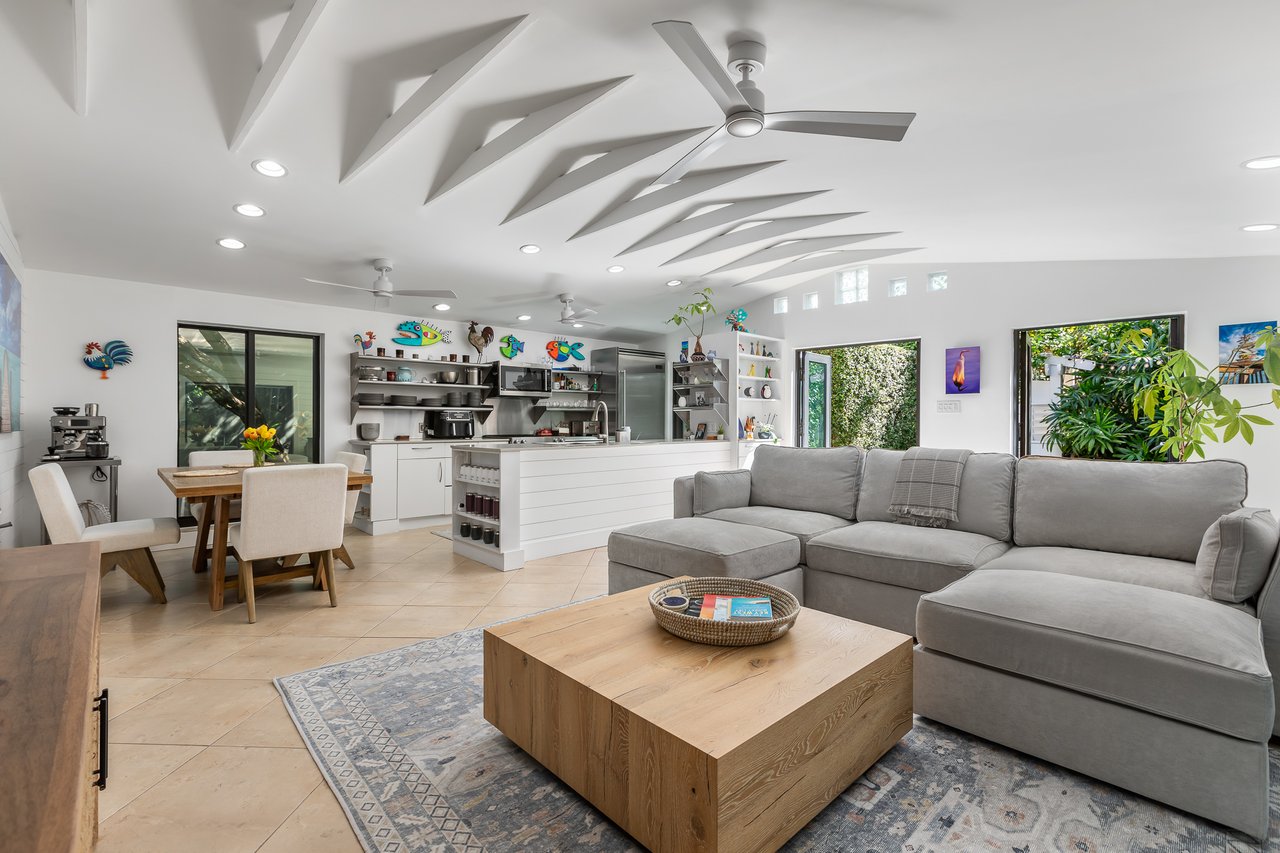
For design-minded buyers, that variety can be a real advantage. A home here may offer original character, renovation potential, or a layout that supports island living in a way that newer construction often does not.
Historic Rules Matter
If you love the look of Old Town, it helps to understand what protects it. Exterior changes are tightly controlled in the historic district, and the city requires a Certificate of Appropriateness for new structures and most exterior alterations.
That can include repainting, landscaping, and demolition, not just major construction. For buyers, this means due diligence should go beyond square footage and finishes. You also want to understand what has been approved in the past and what future changes may require review.
This is one of the biggest differences between buying in Old Town and buying in a less regulated neighborhood. The upside is that these standards help preserve the character that draws people here in the first place.
Old Town Lifestyle
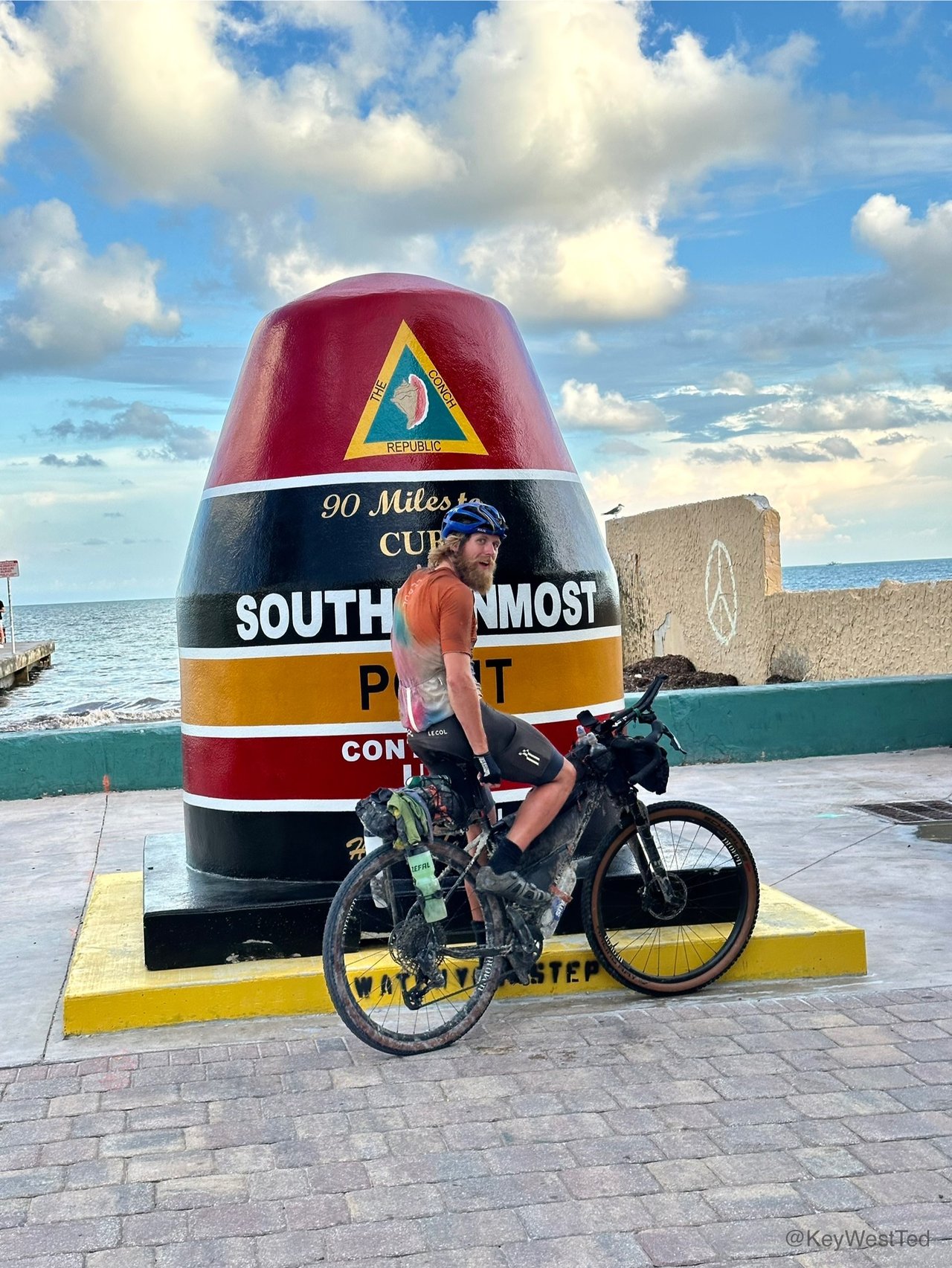
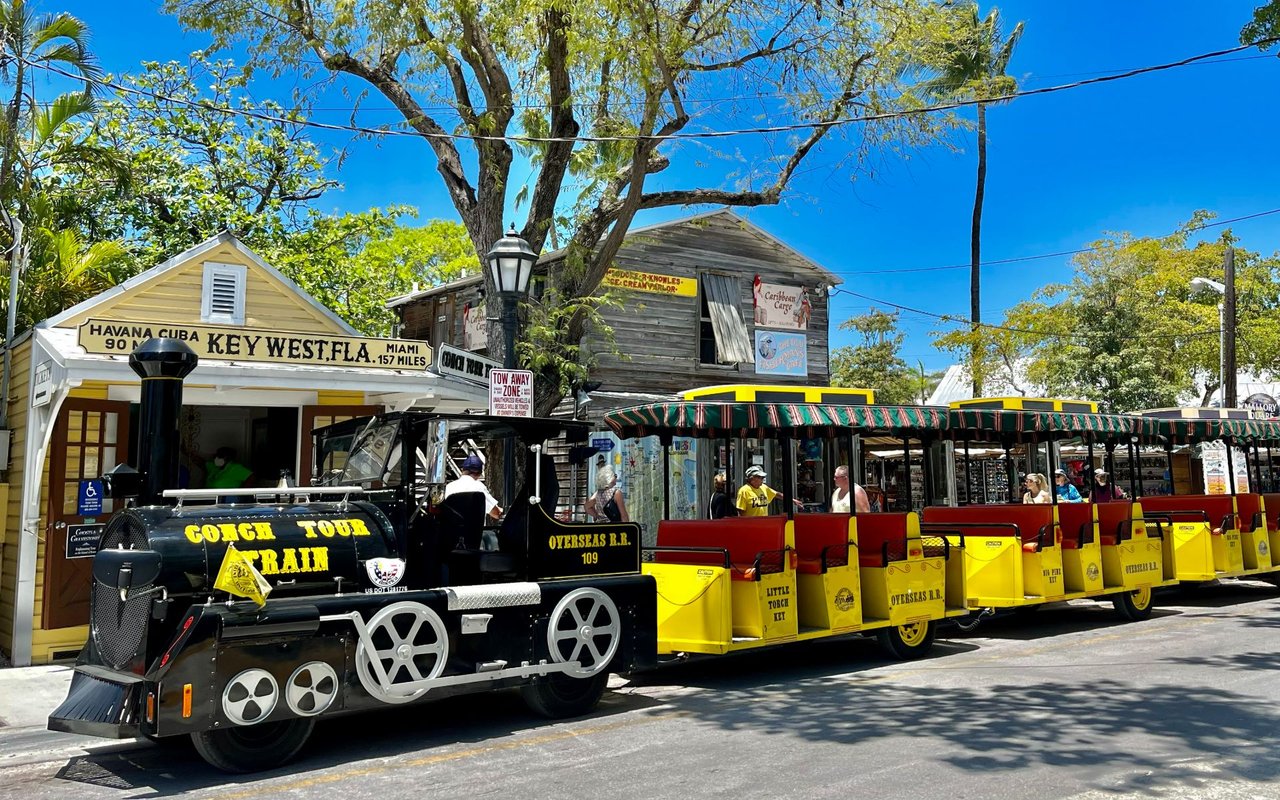
Old Town supports a very walkable, car-light way of living. The city actively promotes walking, biking, and transit through its Car-Free Key West program, and Key West received Bicycle Friendly Community Bronze recognition in 2022.
For many residents, that means daily errands, dining, waterfront outings, and time outdoors can happen without relying heavily on a car. If your ideal day includes stepping out the door and exploring on foot or by bike, Old Town fits that rhythm well.
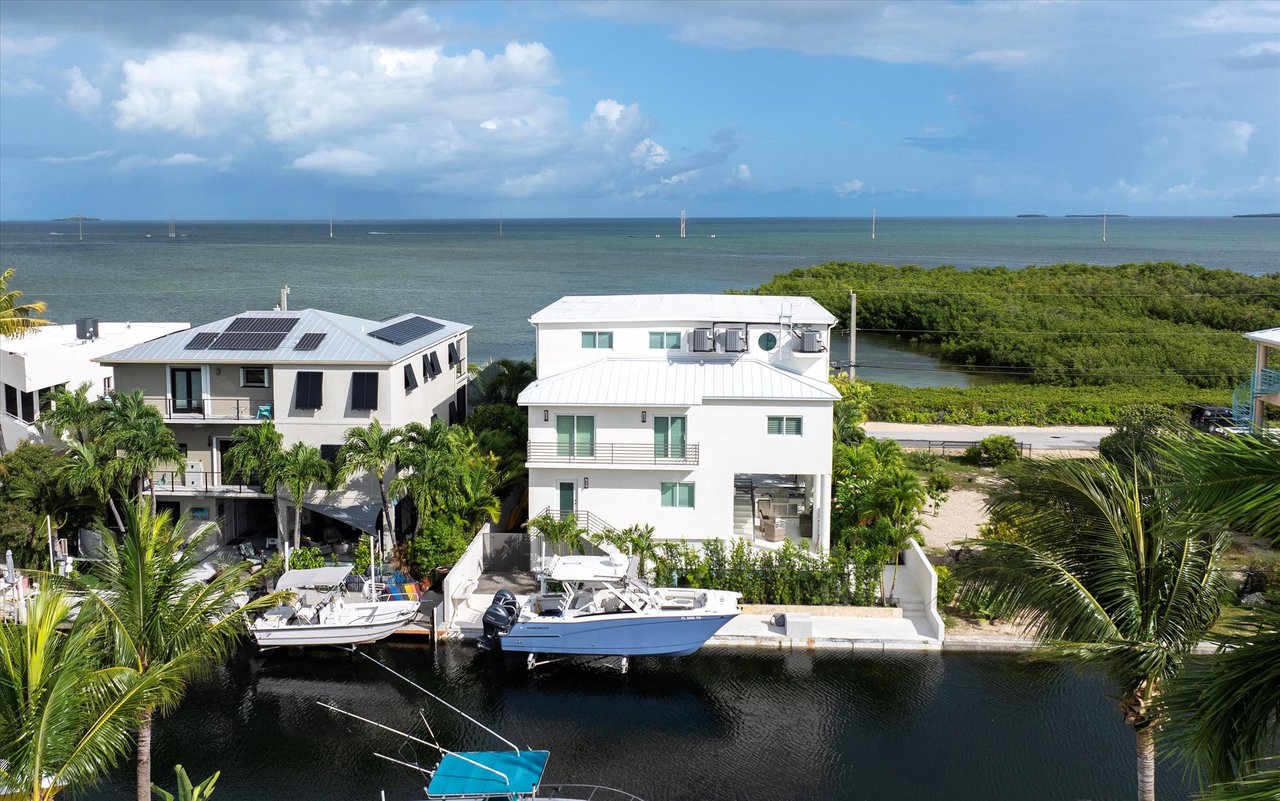
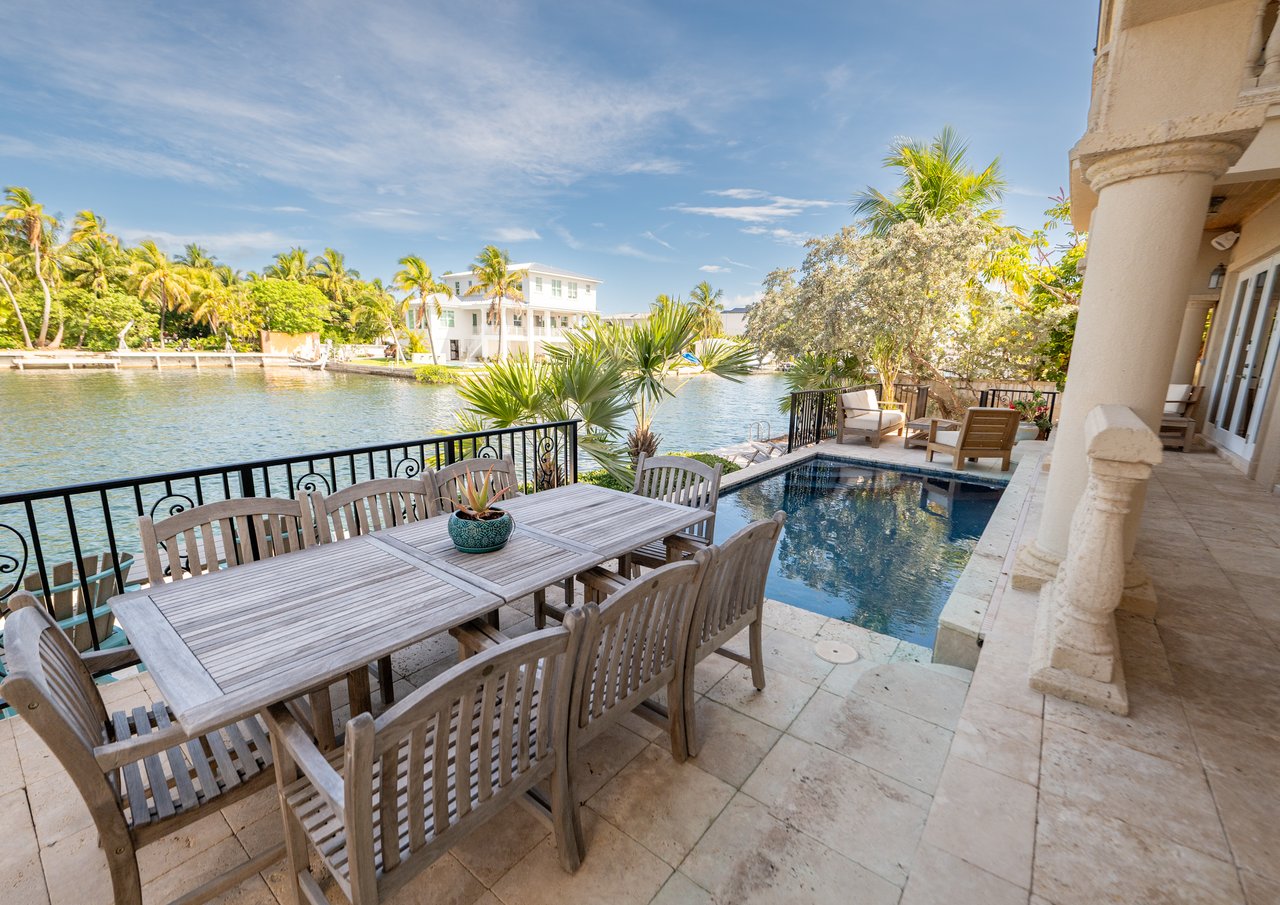
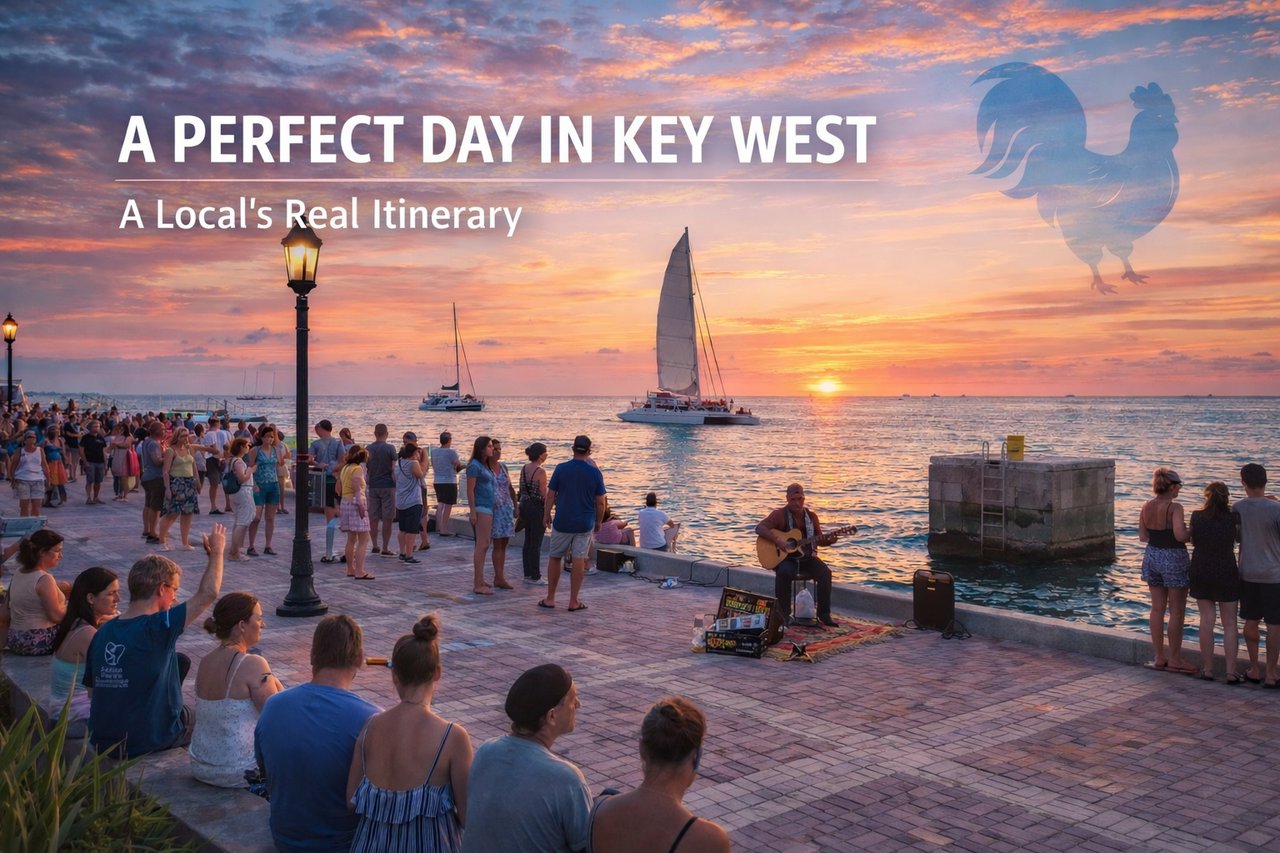
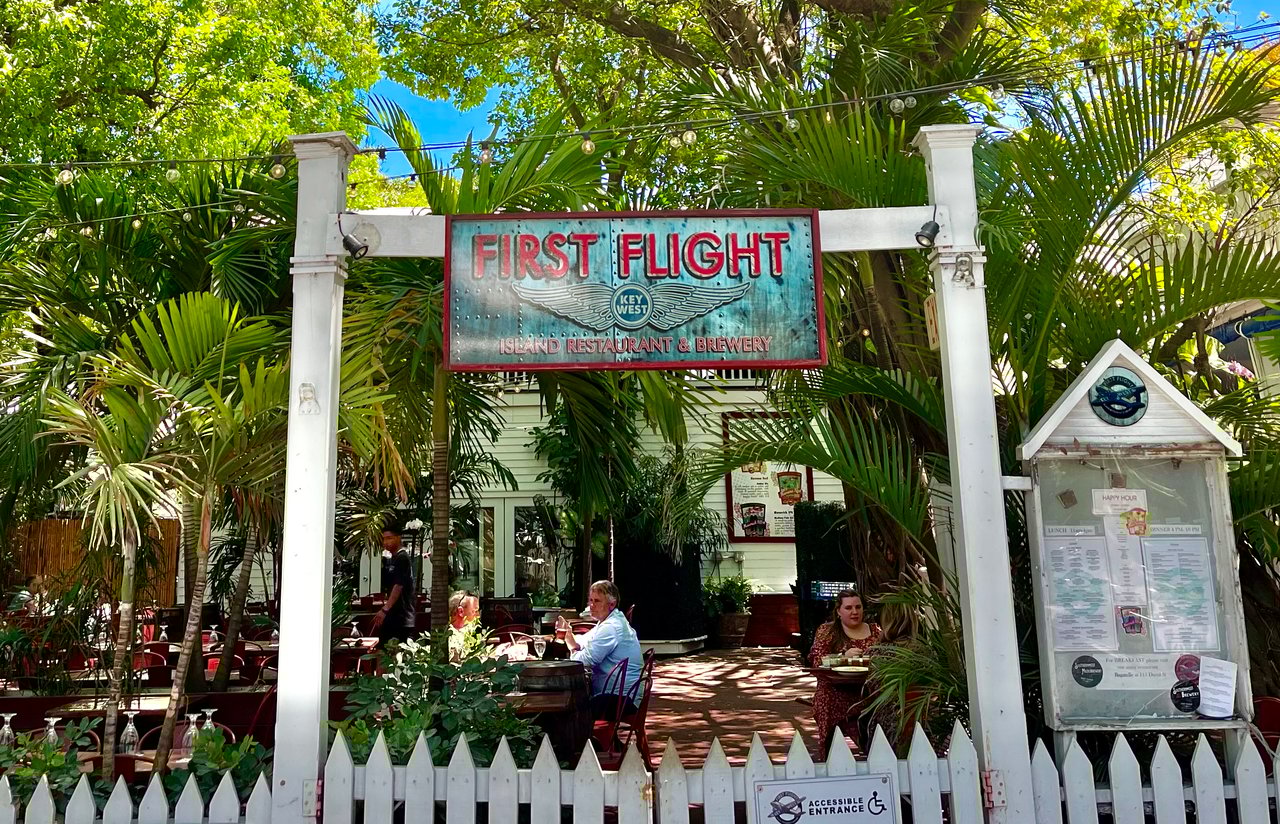
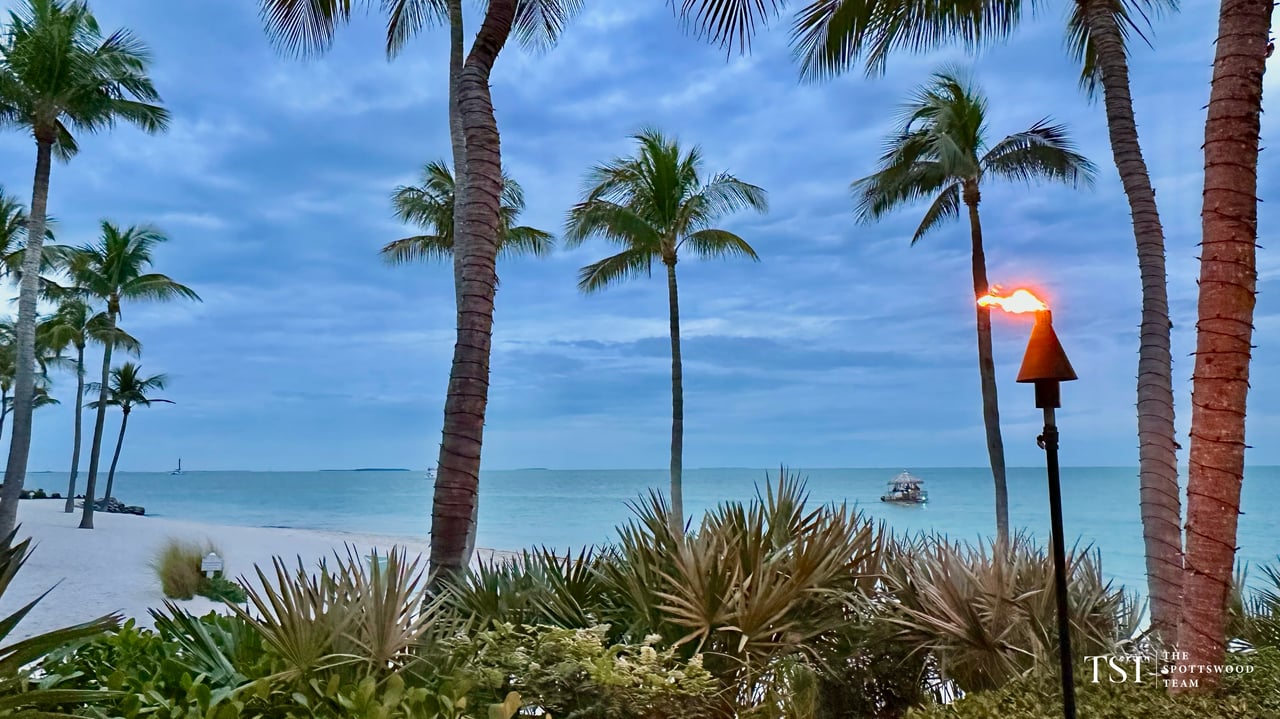
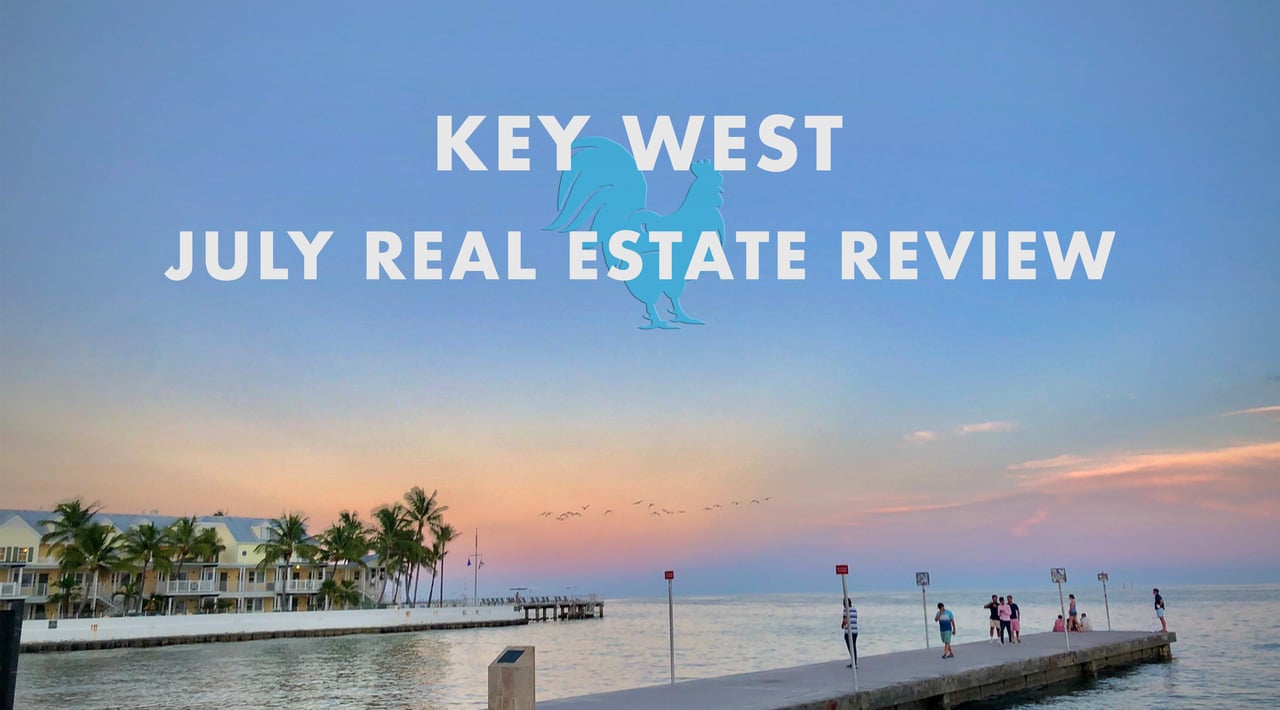
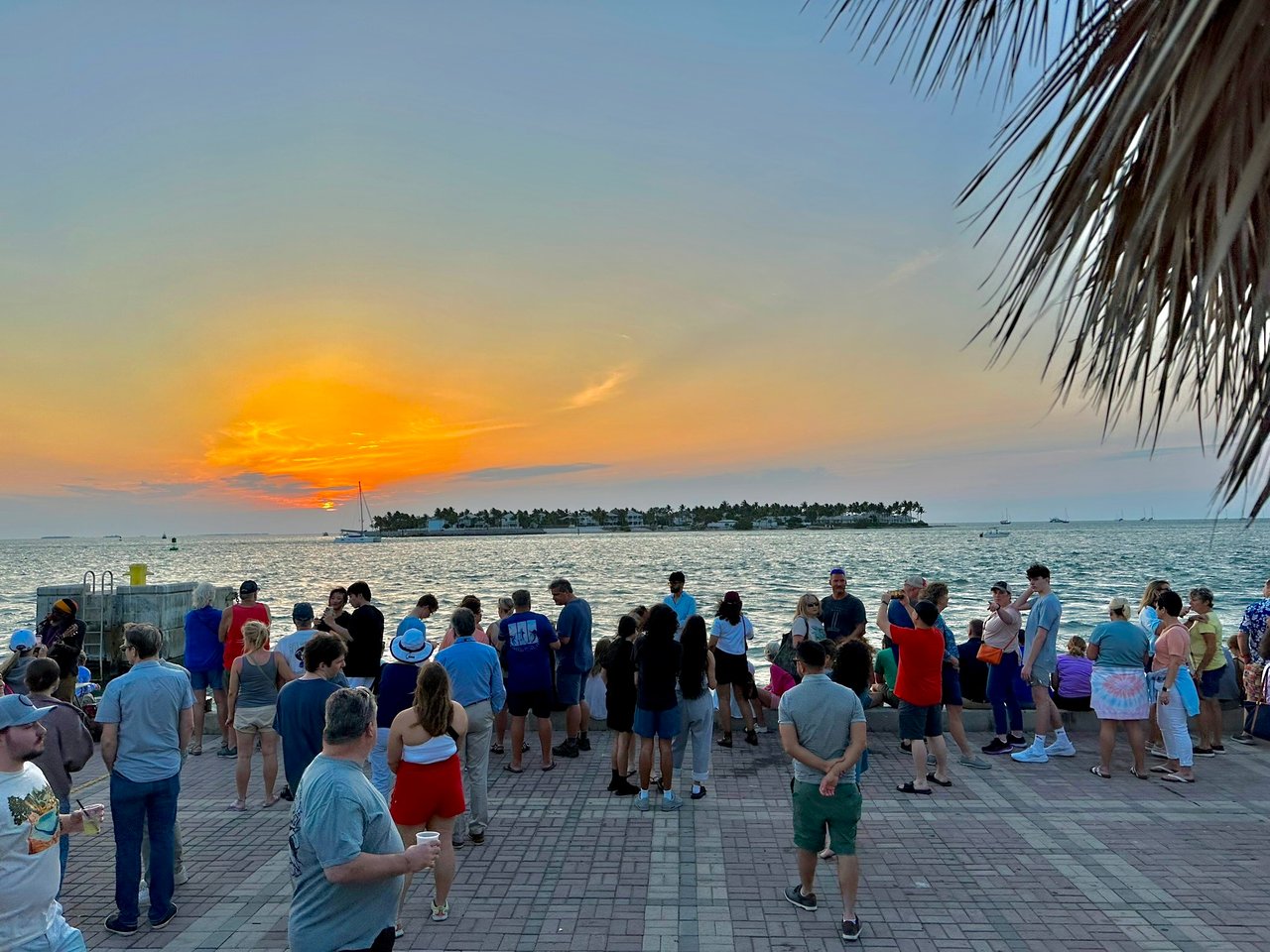
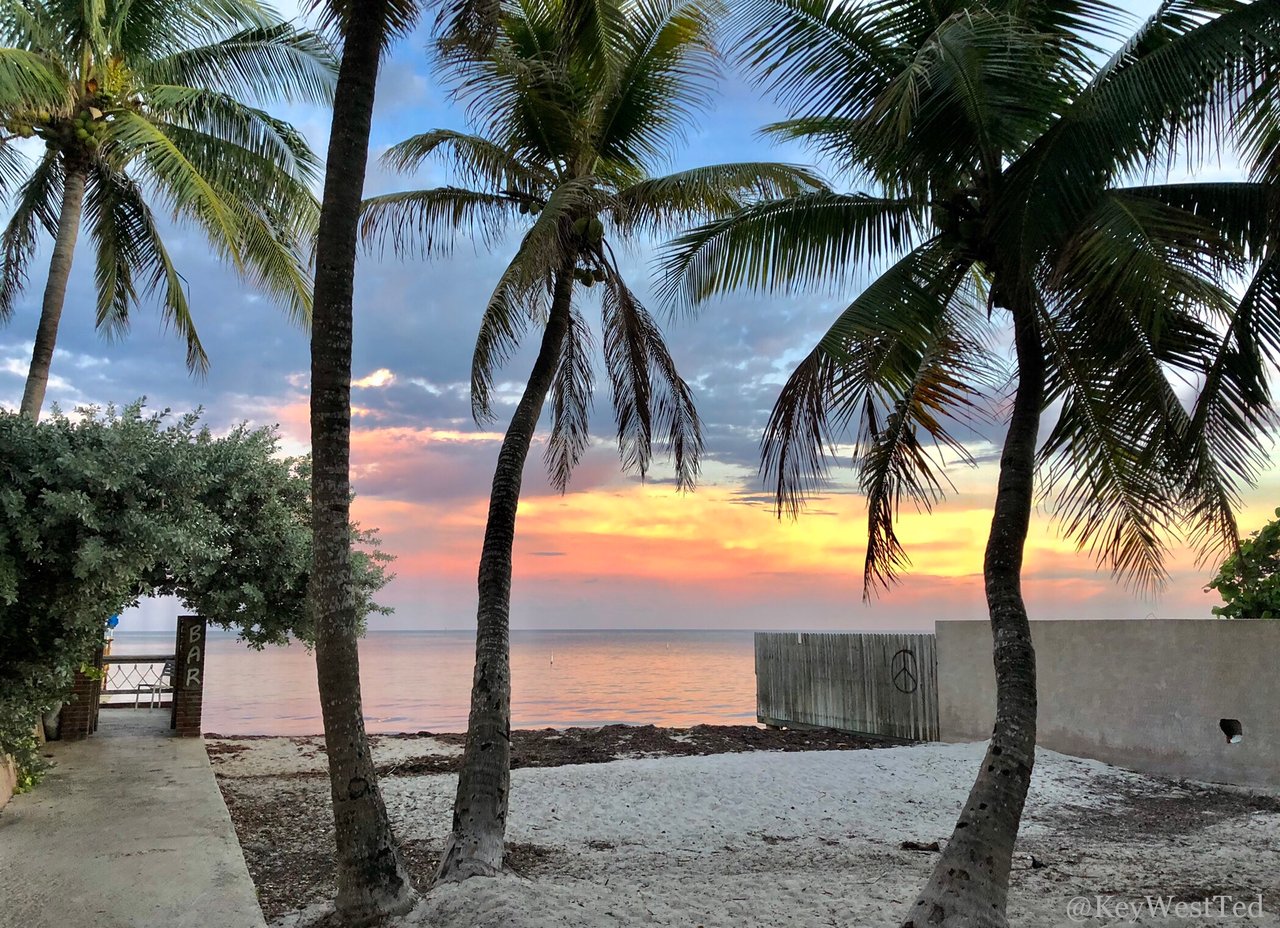
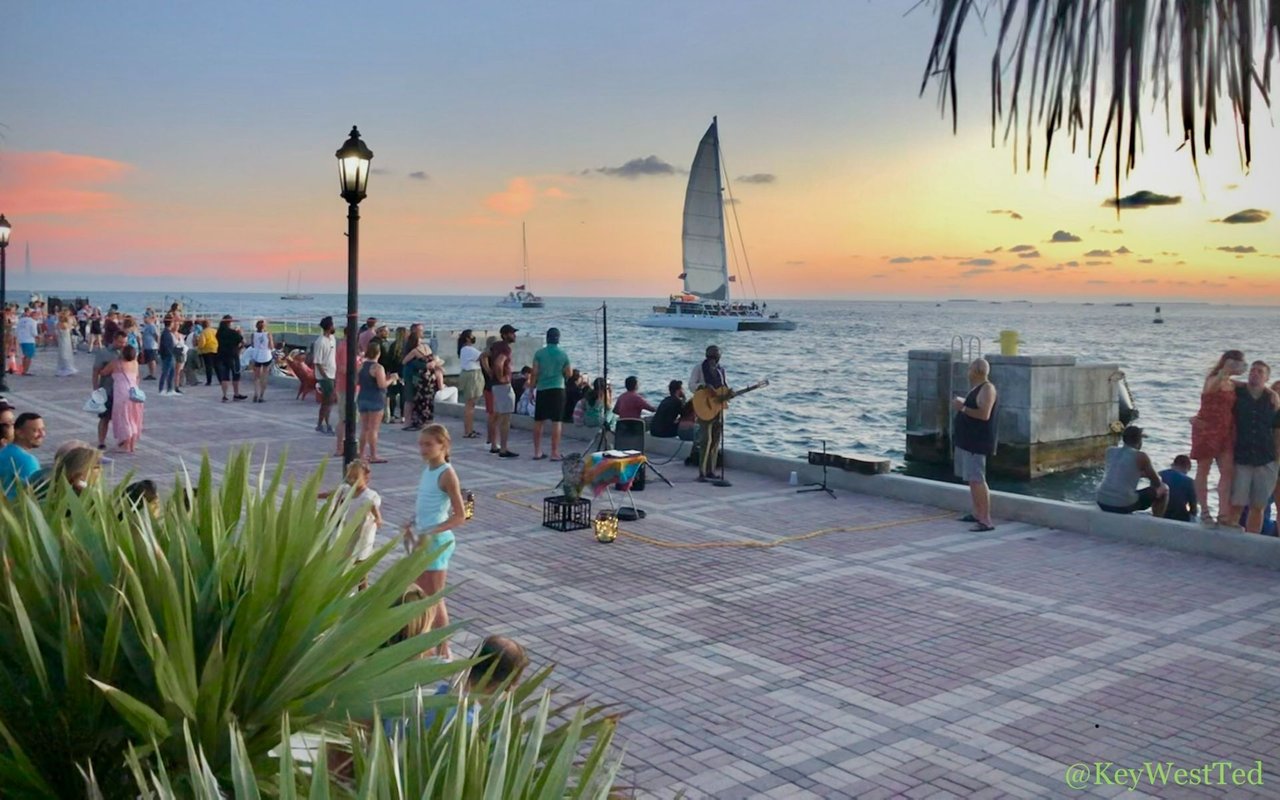
The area also gives you easy access to some of Key West’s best-known waterfront spots. Key West Bight Marina is a short walk from Duval Street and Mallory Square, South Beach sits at the southern end of Duval, and Fort Zachary Taylor Historic State Park offers a mix of beach, history, paddling, fishing, and snorkeling.
Mobility and Parking
Even in a walkable neighborhood, parking still matters. The city operates the Park N Ride at the Old Town Garage on Grinnell Street, and the Residential Parking Permit Program is designed specifically with Old Town residents in mind.
As of January 1, 2026, the Duval Loop bus route was suspended, and its former stops are now served by Key West Rides On-Demand. If transportation options are a big part of your home search, this is worth factoring into your decision.
In other words, Old Town can be wonderfully convenient, but convenience here looks different than it would in an auto-oriented neighborhood. The lifestyle tends to work best for people who are comfortable with lighter parking convenience and a more pedestrian daily routine.
What Buyers Should Verify First
Old Town buyers should start with a few local realities that shape both costs and long-term ownership. In this part of Key West, the most important items to verify early are flood zone, elevation, insurance considerations, parking rules, and historic-district compliance.
The city says most Key West buildings and lots are in A flood zones, while shoreline properties can fall in V zones. FEMA flood maps and elevation certificates are central tools for understanding a property’s flood status.
That matters because flood exposure can affect insurance, carrying costs, and your comfort level as an owner. Key West also has a Class 5 Community Rating System score, which corresponds to a 25% discount on most flood policies, but that does not replace property-specific review.
Smart Due Diligence Checklist
Before you move forward on an Old Town property, make sure you confirm:
- The property’s flood zone
- Whether an elevation certificate is available
- Current insurance expectations
- Parking options and permit rules
- Whether planned exterior changes may require a Certificate of Appropriateness
This is where hyperlocal guidance becomes especially valuable. In a neighborhood like Old Town, the details are rarely generic.
Old Town Market Context
While Old Town-specific pricing was not provided in the research, citywide figures help frame the broader Key West market. The Census Bureau reported a median value of owner-occupied housing units in Key West of $852,400 for 2020 through 2024.
For a more current citywide snapshot, Realtor.com’s spring 2026 data placed the median listing price around $1.35 million. These numbers are for Key West overall, not Old Town alone, but they provide useful context as you evaluate this historic core.
Because Old Town is one of the island’s most distinctive areas, buyers often weigh more than price alone. Architecture, walkability, block character, parking, and the realities of historic ownership all play a major role in perceived value.
Who Old Town Fits Best
Old Town tends to suit buyers who want more than just a place to live. It is often a strong match if you value neighborhood character, tropical architecture, and the ability to move through daily life on foot, by bike, or with limited driving.
It can also be a smart fit if you appreciate historic homes and understand that preservation comes with added oversight. If you are excited by charm, detail, and island atmosphere, Old Town offers a lifestyle that is hard to duplicate elsewhere.
For sellers, that same lifestyle story matters. Marketing an Old Town property is not just about bedrooms and bathrooms. It is about communicating the specific rhythm of the street, the home’s architectural appeal, and how the location connects to the broader Key West experience.
Why Local Insight Matters Here
Old Town is one of those neighborhoods where broad market knowledge is helpful, but street-level knowledge is better. Two homes with similar specs can feel very different based on the lane, corridor, parking setup, flood profile, and historic considerations.
That is why buyers and sellers often benefit from guidance that blends market analysis with renovation awareness, design perspective, and neighborhood nuance. In a place this specific, the best real estate decisions usually come from seeing both the lifestyle picture and the practical details at the same time.
If you are exploring Old Town, whether you are buying your first Key West property, searching for a second home, or preparing to sell a distinctive historic residence, working with a local advisor can help you move forward with more clarity and confidence. When you are ready to talk through Old Town opportunities, connect with KeyWestTed.
FAQs
What kinds of homes are in Old Town Key West?
- Old Town includes Conch or Bahama houses, historic cottages, single-family homes, condos, apartments, and some mixed-use or converted hospitality properties.
Is Old Town Key West walkable?
- Yes. The city promotes walking, biking, and transit, and many dining, waterfront, and recreation spots are close together in and around Old Town.
What should buyers verify before buying in Old Town Key West?
- Buyers should verify the flood zone, review any elevation certificate, understand parking rules, and confirm whether planned exterior work would require a Certificate of Appropriateness.
Does the Old Town historic district affect home changes?
- Yes. Most exterior alterations, along with new structures and demolition, require city review through the Certificate of Appropriateness process.
What is the lifestyle like in Old Town Key West?
- Old Town offers a historic, walkable, and waterfront-oriented lifestyle with a mix of residential lanes, active commercial corridors, and easy access to marinas, beaches, and parks.